

A Canadian employee, on a break from remote work, succeeded in breaking a live casino game. While playing the live dealer Red Baron Live Game Plus 200 Free Spins, their actions activated a sequence that totally stopped the game for everyone at the table. This wasn’t a minor bug. It was a full stop, triggered by a specific collision of player strategy and software mechanics. For anyone interested in how live-streamed gaming works under pressure, the event is a perfect case study.
The Development of an Unprecedented Game Break
It occurred during a regular round of Red Baron Live, a rapid game where the multiplier climbs until players cash out. The worker, taking a pause from their job, made a bet. When the multiplier value hit a peak, they pressed the cash-out button. Then they pressed it again, several times in quick succession. That timing was key. The flood of cash-out requests arrived just as data traffic from the live studio peaked. The game server’s command queue overloaded. Instead of processing one cash-out, the system locked up, confused by the conflicting instructions. The multiplier display froze for every player watching. On the live video feed, the dealer continued talking, now visibly puzzled.
Technical Anatomy of a Real-Time Game Collapse
Real dealer games like Red Baron Live function on two distinct tracks. One is the video stream from a real studio. The other is a data engine that manages all the money: bets, multipliers, and payouts. The break occurred inside that data engine. The player’s rapid commands caused what coders call a race condition. Multiple processes attempted to claim the same transaction at the precise same time. The game’s number-one rule is financial accuracy. So its logic tripped a fail-safe, hitting on the brakes. It paused the entire round to avoid making a mistaken payout. This safety measure operated, but the result was a total freeze for that entire virtual table.
Instant Aftermath and Game Response
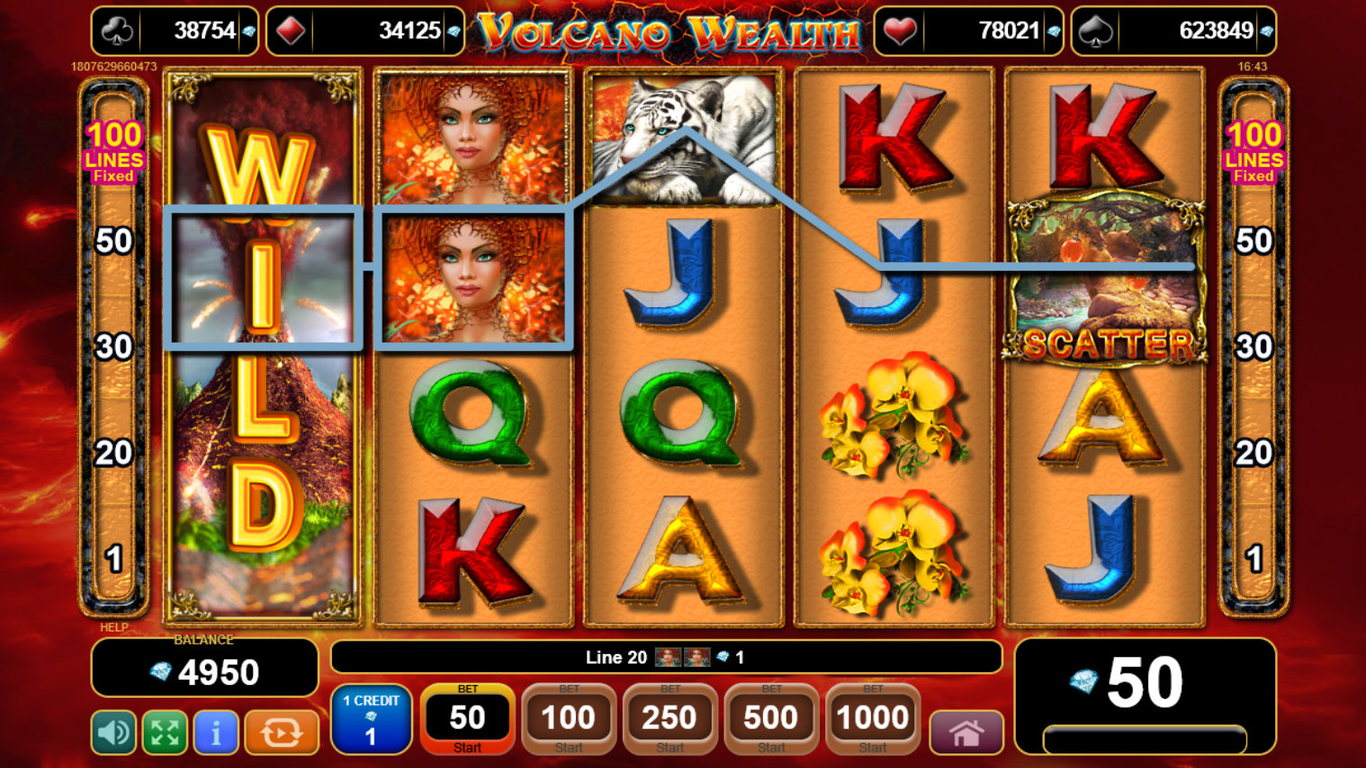
For players, everything came to a halt. The multiplier graph froze. All the buttons on screen went dead. On the live stream, viewers noticed the dealer glance at a monitor, then begin speaking off-mic to someone in the control room. The production team acted quickly. After about ninety seconds, the dealer spoke to the camera directly. They stated a “game reset.” The company cancelled that specific round. Every bet placed during it was refunded to player crunchbase.com accounts. A new round commenced without a hitch. But the record of the ninety-second freeze was already making the rounds online.
Player and Audience Reaction to the Event
Reaction in gaming boards and on social media torn between irritation and fascination. Some gamers were annoyed their game got stopped. But many more were fascinated. They uploaded screen recordings, examining apart the exact time the game broke. The player responsible didn’t get blocked or punished. The game’s administrators determined the actions weren’t an attack, just an inadvertent and extreme test of the software. Gamers quickly assigned the event titles like the “Home Office Hack” or the “Canadian Crash.” It became a small legend, a real instance of the intricate tech running behind a basic-appearing stream.
Developer Diagnostics and System Reinforcement
The game’s technical team dug into the server logs after the crash. They traced the exact chain of commands that caused the deadlock. Within two days, they released a hotfix. This update modified how the game handled cash-out requests, especially during moments of high latency. It enhanced the queue system and added new checks to the transaction processor. The developers didn’t remove the fail-safe. They improved it. Now, if a similar conflict happens, the system can potentially isolate the problem to one player’s session. This stops a single issue from taking down the whole table.
Wider Effects for Live Dealer Game Design
This crash showed the live gaming industry a distinct lesson. Designing these games is a delicate task. The software must seem instant and quick to the player, but it also must be financially perfect. A regular user, not a hacker, discovered a weak spot by just pressing fast. Now, developers are investing more effort into chaos engineering. That means purposely trying to disrupt their own systems under strange, heavy loads before players can. New game designs will likely use more isolated microservices. The goal is to contain a fault in one piece, like the cash-out module, so it doesn’t escalate and crash the entire game for everyone else.
Takeaways in Endurance for Telecommuters and Players
For telecommuters who game on their breaks, this is a peculiar little story about digital connections. Our clicks and actions on any intricate platform, even during downtime, have real weight. They can push systems in surprising directions. For players, it’s a reminder that live dealer games are genuine software. They are not merely videos. They are complex processes that can, under rare conditions, waver. In this case, the failure had a beneficial outcome. It prompted an upgrade. When the firm managed it transparently by reimbursing bets and correcting the issue, it converted a brief failure into a dependable game. The momentary break sparked a stronger system.
Frequently Asked Questions
What exactly caused the Red Baron Live game to crash?
A player sent a extremely rapid series of cash-out commands during a high-multiplier moment. This flooded the transaction queue. The server could not process the conflict, so its fail-safe activated. It locked all game data to stop a possible financial error. The live video remained active, but the interactive part of the game halted.
Did the player who broke the game punished or suspended?
No. The investigation discovered no malicious intent. The player was simply attempting to cash out, albeit very aggressively. They got a refund for their bet on the voided round. The developers zeroed in on the system flaw, not on punishing the user who found it.
Were players lose money because of this incident?

No money was lost. Standard practice for a major technical fault is to void the round. The game operator returned all bets from that specific round to every player’s account. Once the refunds were handled, a new round started.
How did the game developers fix the problem?
They examined the server logs and issued a patch within 48 hours. The fix improves handling of the queue for cash-out requests. It also adjusts the fail-safe to be more targeted. This means a future problem might only impact one player, not the whole table.
Could this kind of break happen again in Red Baron Live or other games?
Software always has the potential for new bugs. But the exact scenario that caused this crash has been resolved. A repeat is unlikely. The event also motivated the wider industry to stress-test their games more rigorously, which makes all the platforms more durable.
So, a work-from-home break in Canada temporarily crashed a live casino game. It was more than a glitch. It was an impromptu stress test that uncovered a hidden soft spot. The response shaped the event: refunds, transparency, and a fast software patch. That process made Red Baron Live tougher. It’s a reminder that our digital entertainment is always being shaped, and sometimes fortified, by the unpredictable ways we decide to use it.