
By starting with seeds (you eliminate the uncertainty around pesticides), avoid guessing about testing procedures, and can rely on a plant you recognize from its origin. Numerous short-term and long-term impacts of marijuana exist — many of which are still under scientific investigation.
However, broad conclusions about its effectiveness cannot yet be drawn by researchers. Furthermore — this substance often influences individuals in various ways. When ingested (THC is absorbed by your body at a slower rate), usually taking between 30 minutes and one hour. The short-term and long-term effects of this substance are still being researched by scientists. As the market remains relatively nascent and regulations are continually changing, consumers should stay informed and exercise caution.
The effectiveness and safety of cannabis-based treatments remains a subject of discussion within the medical community — influencing their availability. Access continues to be limited, with numerous patients unable to secure prescriptions due to regulatory challenges. Medicines derived from cannabis are subject to strict regulations and are available only for specific conditions. In what ways might THC-infused vapes affect your feelings?
After a significant session, individuals may continue to experience effects the following day.
When cannabis is consumed, the peak effects can endure for 2 to 4 hours, with additional hours possibly required for complete effect cessation. When smoked, it normally takes a minute or two to feel stoned. For most patients, flower between 7% and 20% THC is considered low to moderate strength, while products above 20% are classed as high THC.
All of this is managed through our bespoke Patient Platform, built to make the process simple. Patients are also issued a medical hub420.shop cannabis card (which provides proof of prescription at work), during travel, or in conversations with law enforcement. The prescription medication Epidiolex, which is CBD-based, is well recognized for its ability to decrease certain types of seizures.
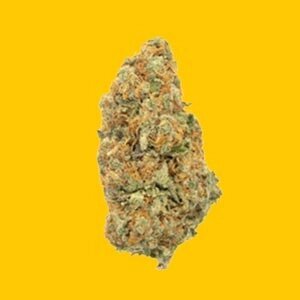
For instance, in the United States, several states have legalized both recreational and medical cannabis. Some individuals may even face withdrawal symptoms such as irritability (decreased appetite), and mood fluctuations when not using cannabis. Those who begin using cannabis during their teenage years may face an increased risk of mental health disorders later in life — including schizophrenia. How do people use cannabis?
While public support has increased and some political groups have suggested reform — the timeline for changes remains unclear.
The introduction of high-THC cannabis into a developing system for teenagers and young adults can exacerbate future problems, especially if there is a familial history of psychosis or schizophrenia. Research indicates that very high-THC cannabis can trigger psychotic episodes in a small yet vulnerable demographic — particularly those with familial links to psychosis or schizophrenia. Youth usage and concerns regarding psychosis are central to discussions about reform, and rightly so. Concurrently, the stigma surrounding cannabis was intensified by racial biases and class-based perceptions during that period. MedlinePlus also links to health information from non-government Web sites.
MedlinePlus links to health information from the National Institutes of Health and other federal government agencies. Most U.S. states allow medical cannabis, and about half also allow recreational use for adults 21 and older. Researchers are studying whether cannabis and its ingredients may treat more conditions. The Food and Drug Administration (FDA) has approved man-made forms of THC. Lamarck’s characterization of the newly designated species was based on morphological characteristics, such as trichomes and leaf shape, and the geographic locations of plant samples gathered in India.
He deemed the genus to be monotypic — consisting of a single species, which he named Cannabis sativa L., while Linnaeus was acquainted with the widely grown European hemp of the time. Initially, the genus Cannabis was classified within the nettle family, Urticaceae, or mulberry family (Moraceae), and later, alongside the genus Humulus (hops), it was placed in a distinct family known as the hemp family (Cannabaceae sensu stricto). What Is the UK’s Cannabis History?
There’s a widely held view among scientists that whole plants may serve as a better treatment than medication that uses only some active compounds in a plant.

Studies are inconclusive about smoking cannabis use and cancer. Research suggests some marijauna users (particularly those who are already at risk), may be more likely to develop schizophrenia. A method known as High-Performance Liquid Chromatography (HPLC) is utilized by most laboratories.
When discussing THC levels, individuals refer to the proportion of a cannabis product that is composed of the cannabinoid delta-9-tetrahydrocannabinol. Are you interested in determining whether medical cannabis treatment in the UK is suitable for you? These statistics provide just one aspect of the overall narrative for patients. In contrast, many strains that are prescribed typically range from 7% to 19%, whereas CBD products sold in retail must legally contain less than 0.2% THC. In practical terms, medical cannabis flower with a THC content exceeding 20% is regarded as strong, with anything in the 20 to 30% range commonly categorized as “high THC.”